

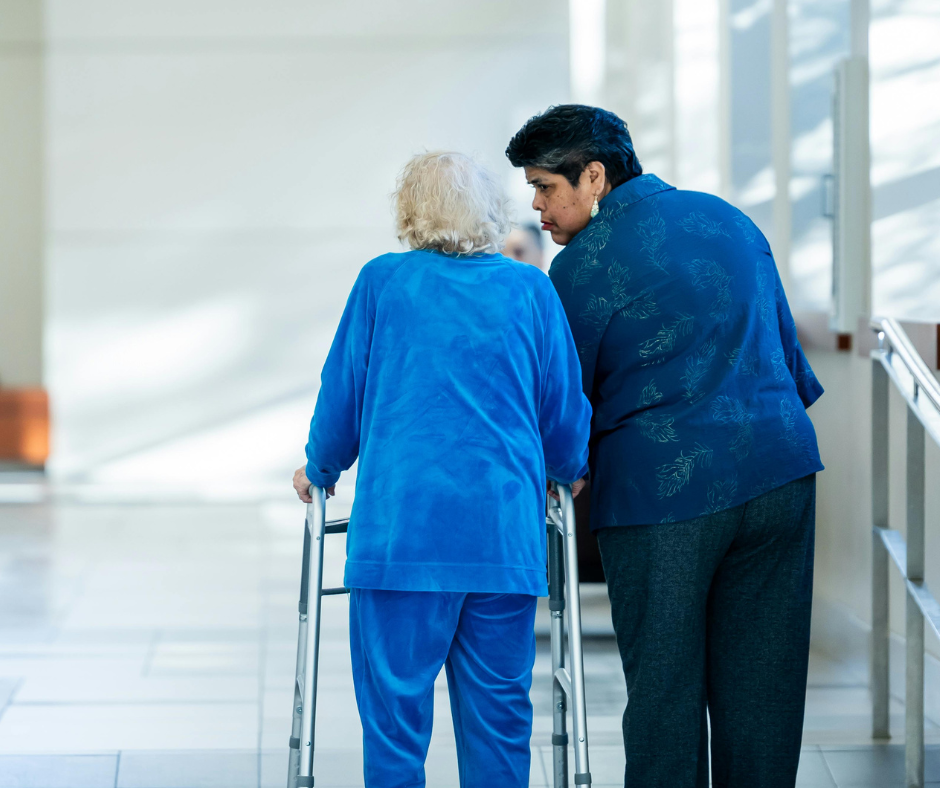
A few months ago, Margaret, 76, came to us still carrying the echo of her fall in the kitchen. She told me, “I tripped over the rug. It was just once. But now every time I walk through that room, I freeze. I hold the counter, step smaller, avoid turning too fast. I’m terrified of doing it again.”
Margaret wasn’t imagining things. Fear after a fall is normal and protective at first — it makes us careful. But when that caution becomes a habit, something else starts happening quietly.
Every time we avoid a step, grip harder, or move slower “just in case,” the nervous system learns: “Movement is dangerous.” “Stay small to stay safe.” “This body can’t be trusted.”
Muscle strength fades from lack of challenge. Reflexes slow from lack of practice. Balance confidence shrinks because we stop testing it.
And when strength, reflexes, and confidence fade… the real risk of another fall goes up, not down.
The fear of falling creates the conditions for the next fall.
The good news is the cycle is not permanent. Every safe movement sends the opposite message: “I handled that.” “Safe here.” “I can do this again.”
Every safe step rewires the brain toward confidence. Every avoidance rewires it toward fear. And the direction can still change — one small vote at a time.
This week, try this gentle 30-second invitation in a place you feel reasonably secure:
Pick one small movement you’ve been hesitating on or avoiding since your fall (stepping over a doorway threshold, standing from a chair without pushing off the arms, turning your head quickly to look behind you). Do it once — slowly, with attention on your breath and feet. Then do it a second time at the same speed. Pause for three seconds afterward and simply notice: Did anything bad happen? Did your body respond — even quietly?
Let that one moment register: “I did it and nothing bad happened.”
One vote cast for confidence.
If it feels okay, do it again tomorrow — same movement, same attention.