


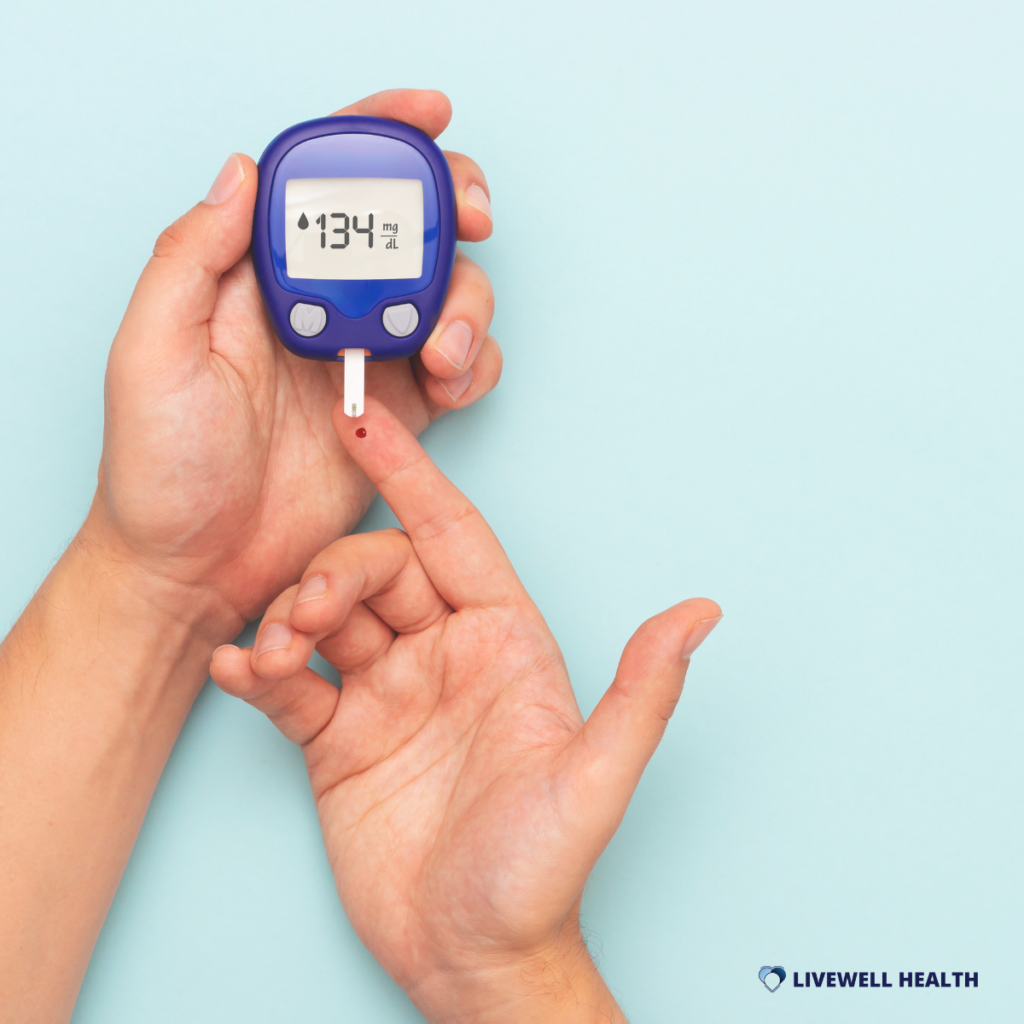
Linda sat at the kitchen table after dinner, looking at the numbers on her glucose meter. She had walked that morning, watched her portions carefully, and still the reading was higher than she hoped. The walking helped, but it never seemed to settle the spikes the way she wanted. She wondered what else she could do that actually made a difference.
That quiet frustration is common. Walking and steady cardio are valuable, yet many people with diabetes discover that resistance training offers an additional advantage that cardio alone often does not.
Muscle is one of the body’s most effective tools for managing blood sugar. When you challenge the muscles with resistance, they become more efficient at taking glucose out of the bloodstream. This effect can last for hours after a session and improves with consistency. Stronger muscles also increase overall metabolic capacity, making blood sugar regulation easier over time.
A few practical guidelines help make resistance training effective and sustainable:
- Aim for two to three short sessions per week rather than long, infrequent ones.
- Use moderate effort — enough to feel challenged but still able to complete the movements with good form.
- Focus on major muscle groups (legs, hips, back, chest) with simple exercises such as sit-to-stands, wall push-ups, or seated rows with a band.
- Progress gradually by adding a repetition or slightly increasing resistance once the current level feels manageable.
This week, try this simple resistance session (do it near a sturdy chair or counter):
- 8–10 slow sit-to-stands
- 8–10 wall push-ups
- 8–10 standing or seated band rows (or towel rows if no band is available)
Move with control and rest briefly between exercises. Notice how your body feels afterward and, if you check, how your blood sugar responds over the next few hours.
Consistent resistance work gives your muscles a clearer role in managing blood sugar — one that walking alone does not fully provide.
If you know someone with diabetes who walks regularly but still struggles with blood sugar control, please forward this post to them right now!
Newer pOst
Last Post

