


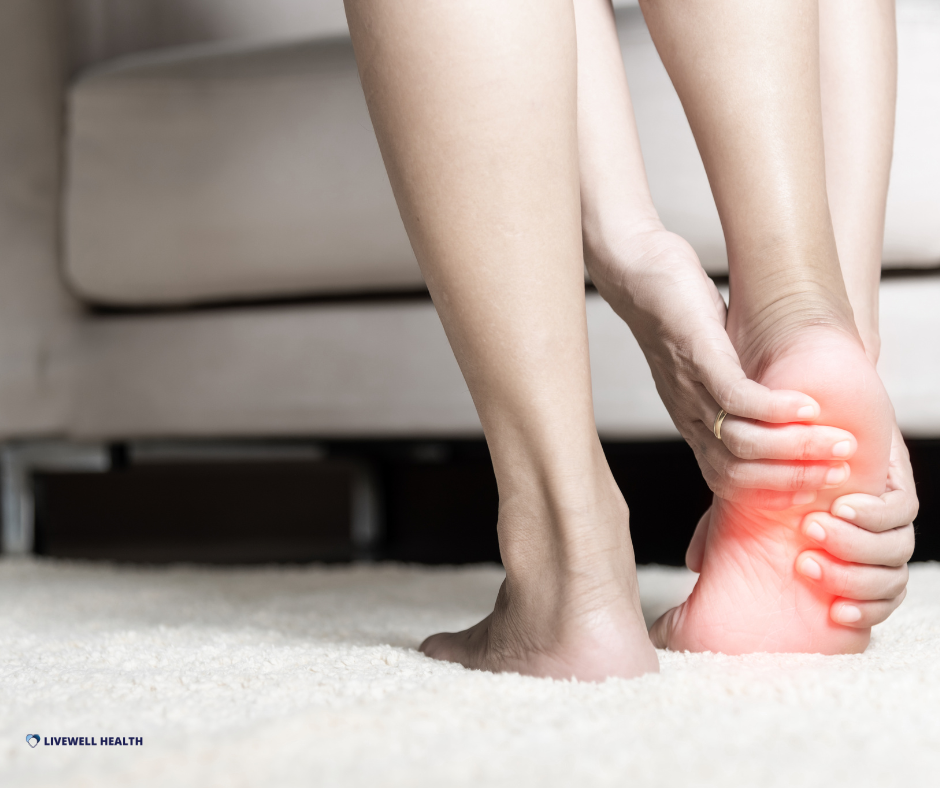
Helen stood at the kitchen counter, one hand lightly resting on the edge. She closed her eyes for a few seconds and felt the familiar sway begin. Her feet were numb again — the same dull, cotton-like feeling that had been with her for years. When she opened her eyes, the room settled, but the uncertainty remained. Walking across the living room felt manageable in daylight. At night, or on uneven ground, it felt different.
That quiet unsteadiness is common with neuropathy. When the nerves in the feet stop sending clear signals, the brain loses one of its main sources of information about the ground. Balance becomes harder not because the legs are weak, but because the sensory map is incomplete.
The encouraging part is that balance can still improve.
When foot sensation is reduced, the body can learn to rely more on other systems — vision, the inner ear, and especially the strength and awareness of the ankles, hips, and core. Targeted balance training helps these systems work together more effectively, even when the feet themselves remain less reliable.
A few principles make the training more useful:
- Practice near a stable support so you can challenge yourself safely.
- Include both still (static) and moving (dynamic) balance.
- Add small head turns or reaches once the basic position feels manageable.
- Keep sessions short and consistent rather than long and exhausting.
This week, try this simple progression (hold a counter or sturdy chair the first few times):
- Stand with feet close together, eyes open, for 20–30 seconds.
- Shift your weight slowly side to side while staying tall.
- Then try a gentle march in place, lifting the knees just a little, for 20–30 seconds.
Notice how your hips and core work to keep you steady when your feet give less feedback. That extra effort is the compensation system getting stronger.
Newer pOst
Last Post

